
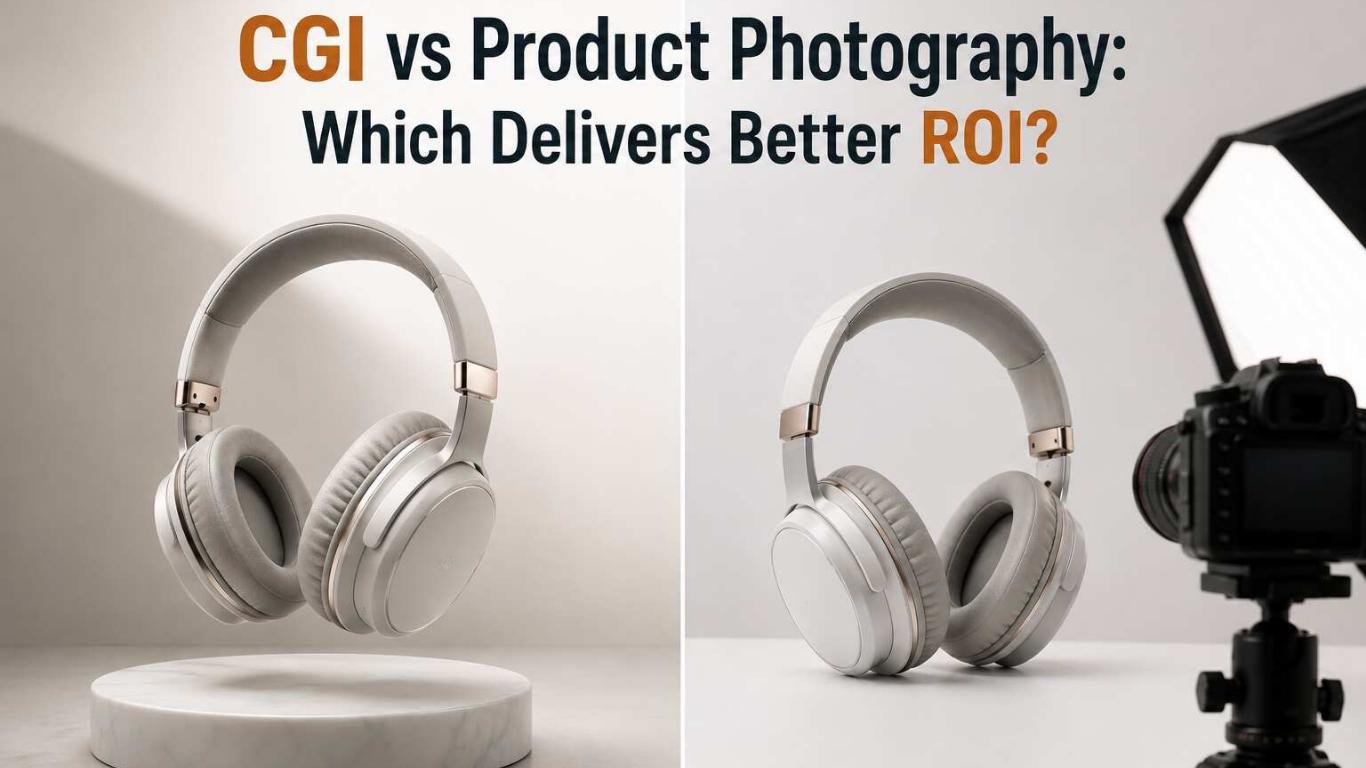
When it comes to product visuals, e-commerce brands are in a quandary today, as they have to choose between a traditional photoshoot and CGI product photography. We are one of the known 3D rendering companies in this field and both methods have been effective to get into good results depending on the brand’s requirements. Both methods can yield amazing results, but there are tremendous differences in cost, processing time, flexibility and ROI. In this guide, we will explain all the details surrounding CGI vs product photography, to help you determine which one is more financially and creatively viable for your brand.
What Is Traditional Product Photography?
Product photography has traditionally been done by physically taking photos of real products in a studio with cameras and lights etc. The item is then photographed from several different points of view, using possibly photo stylists, set designers, and photo retouchers. It’s a technique that’s been around for years and continues to be the benchmark for authenticity and tactile response for many customers.
The traditional photography expenses are however only recurring: studio rent, equipment, travel costs, shipment of samples, and post-production editing. When brands’ product lines get a face-lift, they have to go back to the drawing board for all of this: Colours, packaging, design.
What Is CGI Product Photography?
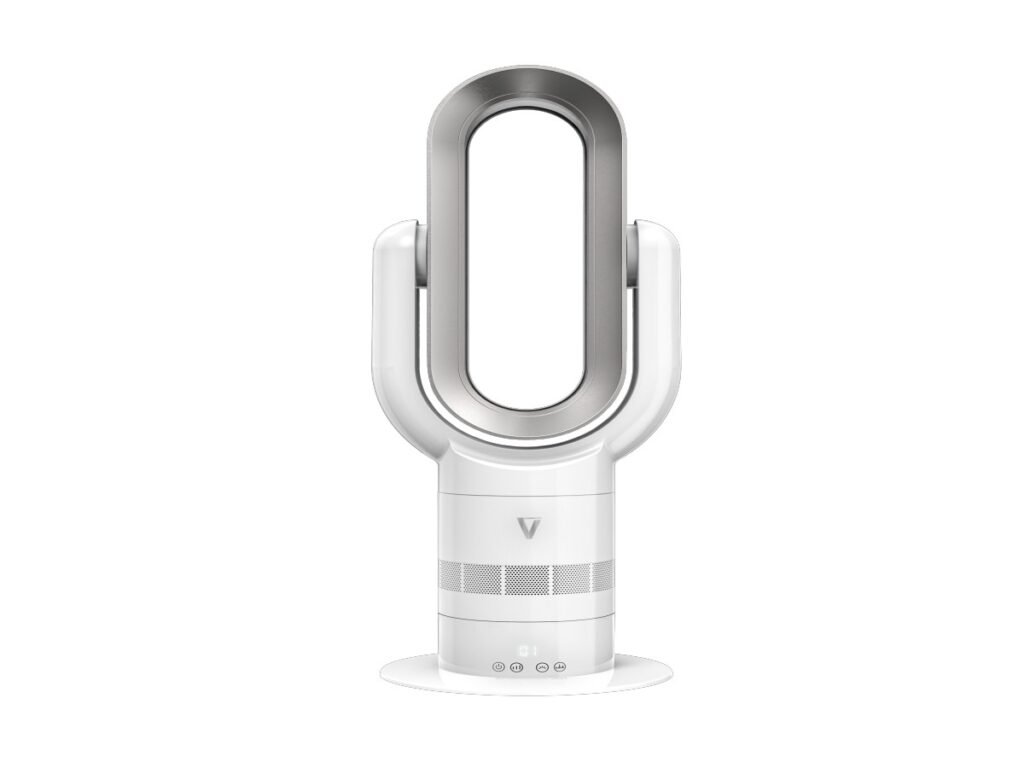
CGI product photography is a method in which the products are represented digitally with the help of 3D modeling and rendering software. Artists create a virtual model and place it into a virtual environment with realistic lighting, textures and reflections, yielding photorealistic product rendering that is often indistinguishable from a real photo. This process is done in-house by our 3D product rendering team.
Since it is all digital, the CG images of products can be re-used, edited, and re-used again. Looking for the same campaign product in 10 colours, 5 backgrounds or a seasonal theme? For CGI, it’s a matter of tweaking the 3D file, and not having to arrange a whole new shoot.
Cost Comparison: CGI vs Product Photography
Cost is typically the first consideration brands will make.
Here are the standard photography costs:
- Studio and equipment hire.
- Fees for photographer and stylist.
- Product sample shipping and handling
- Post-production and retouching
Common expenses for CGI product photography are:
- 3D modeling (one time for each product)
- Rendering and lighting setup
- Revisions and variations (typically less expensive than re-shoots)
A traditional approach to photos may actually save money initially if you only have one product and one variant. For brands that have multiple SKUs, colourways or often change their catalogue, CGI product rendering becomes much more cost effective as the 3D model can be used indefinitely.
Turnaround Time
Shooting photoshoots takes time to organize: finding a studio, hiring a team and waiting for post-production work. This may be accomplished in days or weeks, particularly if reshoots are required.
Once the 3D model is created, CGI workflows enable a lot quicker iterations. Looking for a fresh background or update on your product? The digital file can be modified by the rendering engineers, without having to do another physical shoot. This rapid speed can be very significant for those brands that put their products on the market regularly or have seasonal promotions.
Flexibility and Creative Control
It’s here that CGI product photography really comes into its own. Brands can:Using 3D assets, brands can:
- Automatically store products in any environment (such as in a beach, a kitchen, space outside, etc.).
- No need to carry new samples to show products in all variations of colour and material.
- Generate interactive marketing content, such as 360 spins and exploded images
- Keep the entire catalog a visually consistent source of information
Although traditional photography is authentic, it has its limitations in terms of physicality. The lighting, props, and location may limit the options for creativity.
Quality and Realism
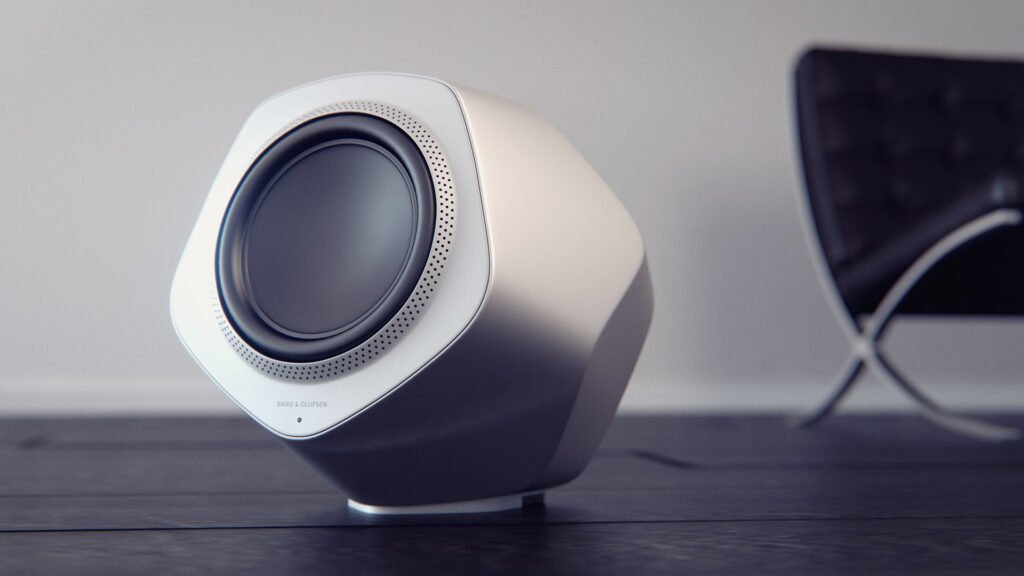
One of the concerns of the brands is that the CGI appears “fake.” Product renderings now render real-world products with photorealistic product rendering results to the point where many viewers would never know that they’re not a real photograph. For the highest-end CGI studios, the use of physically accurate lighting simulations, material textures and reflection mapping yields near-perfect realism. This degree of accuracy is not unique to product-based 3D rendering services, but is standard to most of them.
However, skill level of the 3D artist and software will make a big difference in quality. If the CGI isn’t done properly, it can appear unnatural, so it is essential to choose a professional CGI product photography service provider.
Also Read: How 360° Product Rendering Increases Online Sales
Which Option Delivers Better ROI?
The true answer is going to depend on your business model:
- When you’re dealing with a limited catalog of products, you require lifestyle images with real people for the product, or authentic unboxing/user-generated style content, then traditional photography is your best bet.
- Use CGI product photography when you have lots of SKUs, frequent product changes, seasonal campaigns or when you are looking for scalable content for multiple marketing channels.
A mixture of the two is ideal for most e-commerce brands: real photos for hero shots and brand narratives, and CGI product rendering for catalog scaling, variations and performance marketing assets.
FAQs
1. Is CGI product photography cheaper than traditional photography?
Traditional photography could end up being more affordable in the short term, for a single item. CGI product rendering is typically more affordable over time, however, for brands with multiple variants or regular product updates, it is generally more cost-effective.
2. Does photorealistic product rendering look as good as real photos?
Yes, if the product is 3D created by a skilled 3D artist with up-to-date rendering software, photorealistic product renderings can be virtually indistinguishable from real photography.
3. How long does CGI product photography take compared to a photoshoot?
Although shooting a shoot can take as long as initial 3D modeling, any variations, edits, and new scenes in the 3D model should be much quicker with CGI product rendering than in a photo shoot.
4. Can CGI product photography work for all product types?
CGI is particularly effective for products, which are hard surface such as electronics, furniture, packaging or cosmetics. For simulating soft goods, such as clothing, more sophisticated techniques might be needed to achieve realistic results.
5. Should a brand choose only CGI or only traditional photography?
Not necessarily. There are many brands that have a hybrid approach, where they take still photos for lifestyle experiences and CG images for high-resolution images used in catalogues and marketing materials.
Final Thoughts
Cgi and traditional photography both have their role in today’s marketing strategy. The decision of CGI vs product photography is really a matter of your catalog size, budget, time constraints and content requirements moving forward. Efficient brands will sometimes mix both – favouring CGI product photography for volume and flexibility, and classic photography for authenticity and brand stories.
