
The hospitality industry is all about experience, and it starts long before a guest steps through the lobby doors when the property is envisioned, designed and presented. That’s where the power of hospitality 3d rendering comes into play it allows hotel owners, developers and designers to see every aspect of a hotel in a virtual space before construction even starts. Whether it’s a small hotel or a large resort, CGI has become a key component in the process of creating a concept for the hospitality industry.
Here’s a complete guide to hospitality rendering including what it entails, why it’s important, and how it can be applied at various points in a hospitality project.
What Is Hospitality 3D Rendering?
The creation of a realistic image of a hotel, resort, restaurant, and other accommodations designed for guests using computer-generated imagery is known as hospitality 3D rendering. These renders can be used for side elevations and lobbies, guest rooms, pools, spas, and dining rooms before any brick is laid.
In contrast to the traditional architectural photography that can only be done on a completed building, rendering works can be made directly from the design plans, enabling to see and develop a concept at any stage of realization.
Why Hospitality Architecture Relies So Heavily on Visualization
The Hospitality architecture has a special quality because it must simultaneously provide a functional design that is also emotionally appealing. In contrast to an office building or industrial facility, hotels and resorts must look inviting, luxurious or relaxing – something that is hard to convey in just technical drawings.
The rendering provides a solution to this by converting the architect’s vision into an emotional and sensory experience. Investors, brand partners and future guests can visualize how natural light will fill a lobby, how a pool deck connects to ocean views, or how a restaurant’s ambiance will feel in the evening — all of which are important factors to consider in hospitality design beyond just floor plans.
Key Applications of Hospitality Rendering
1. Investor and Stakeholder Presentations
The cost, the number of stakeholders and the approval process for a brand in a hospitality project are important factors to consider. Good renders build confidence and buy-in early by providing a clear and realistic picture of the final product — eliminating the risk of uncertainty and mistrust in project direction.
2. Pre-Construction Marketing
The brand name for hotel and resort developments is quite often to be marketing or even pre-selling rooms even before the building itself is finished. With the Hospitality rendering services, marketing teams can create well-groomed brochures, websites and sales material without having to wait until the physical property is actually available.
3. Design Development and Client Approval
During the design process, renders are used to experiment with various combinations of colors, tones, and shades, as well as different lighting and layout possibilities. Multiple design directions can be presented to the client to help them reach consensus prior to finalizing construction drawings.
Resort Design: A Unique Rendering Challenge
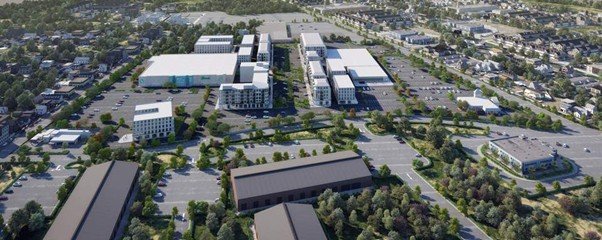
Resort design projects have their own set of considerations which differ from that of urban hotels. Resorts will be typically located on larger properties, including landscaping and pools, private villas and a natural backdrop such as a beach, forest or mountain. When we’re talking about resort rendering, it’s not just about the resort structure; it’s about the whole guest experience of the resort, from the arrival to the rooms to the people, places and space where they spend their time.
Given that resorts are selling an experience that is tightly connected to their surroundings, resorts tend to emphasize how natural light, outdoor spaces, and other built structures interact with the landscape.
From Concept to Construction: The Rendering Workflow
Starting with Accurate Technical Drawings
A project requires accurate architectural drawings to be based on before any rendering is done. Professional cad drafting service support is essential for many hospitality developments to create precise floor plans, elevations and technical documentation. They serve as the technical backbone of rendering artists, who are able to create precise 3D models based on them, thus maintaining the final visuals’ fidelity to the actual design intent and dimensions.
Building the 3D Model
After finalizing the drawings, the rendering team creates a comprehensive 3D model of the property, including the building structures, materials, and layouts. From this point, all further output becomes based on this model, whether it be still images or complete walkthroughs.
Creating Photorealistic Renders
Once the model is finished, the artists add materials, lights, and context to create detailed 3d architectural renderings. They often feature several images, such as views of the exterior, lobby, guest rooms, swimming pool and dining area, providing a complete picture of the completed property.
Bringing the Property to Life with Walkthroughs
Static images may not be enough for a more complex property or a larger property. A 3d walkthrough rendering will enable the viewer to actually see themselves walking through the property, including the lobby, the pool deck and into a guest room, which makes for a much more memorable presentation than just still images.
This is especially useful for investors to pitch on a property, promote luxury resorts, or tour a property virtually to new buyers or guests who can’t do a physical tour prior to booking or investing.
Interior Spaces That Matter Most in Hospitality Rendering
Exteriors make a lasting impression, but interior spaces make the most of that impression — and it’s here that the details of design come alive. In the field of hospitality, the following are usually given priority:
These provide reception areas and welcome guests to the property, and will be featured in the entire customer journey. They create welcoming spaces where guests step through the front door and set the scene for the rest of the property.
- Rooms and suites for guests, featuring furnishings, lighting and finishes.
- A great many restaurants and bars, where ambiance and mood lighting are essential
- Wellness and spas featuring natural materials and serene designs
Careful lighting, texture and layout in each of these spaces will help the final render to feel welcoming and accurate to the intended brand experience.
Also Read: Architectural Rendering Techniques Every Architect Should Know
Frequently Asked Questions (FAQ)
Q1. What areas of a hotel are typically rendered?
Exteriors, lobbies, guest rooms and restaurants, pools and spas are common areas.
Q2. How is resort rendering different from hotel rendering?
For larger resorts, renders will need to showcase the entire guest experience from one end of the property to the other, and the resort will typically be professionally landscaped and equipped with outdoor amenities.
Q3. Can hospitality rendering be used for pre-construction marketing?
Yes there are several hotel and resort brands that utilize renders to promote and pre-sell their properties even prior to the completion of the construction.
Q4. Do hospitality renders require CAD drawings first?
Yes, precise architectural drawings are normally required as the technical base prior to 3D architectural modeling and rendering.
Q5. What’s the benefit of a 3D walkthrough for a hotel project?
It offers a virtual tour experience for the investor and guests, particularly for overseas investors, which is very convenient.
Final Thoughts
Hospitality projects are a combination of emotion, experience and atmosphere – things that are not easily expressed in technical drawings. Hospitality 3d rendering is essential in the business from design development to final marketing and sales, for this reason. From intricate hospitality architecture to immersive resort environments and sleek hospitality rendering services that complement a significant hotel release, CGI can assist to bring any bold hospitality vision to life in a way that resonates with the investors, partners, and future visitors. Looking for a hotel or resort concept? Call us today for a complimentary consultation or download our price list to receive a custom quote to support your hospitality development.
