

The furniture market has been completely redesigned over 10 years. More brands are adopting furniture rendering as a way to present their products online, in catalogs and throughout marketing campaigns—this is a better solution than costly photoshoots with actual furniture. As a manufacturer, retailer or interior design house, it is important to understand furniture rendering and how it relates to your furniture visuals. Here, we’ll walk you through all the important things brands should know about this emerging technology.
What Is Furniture Rendering?
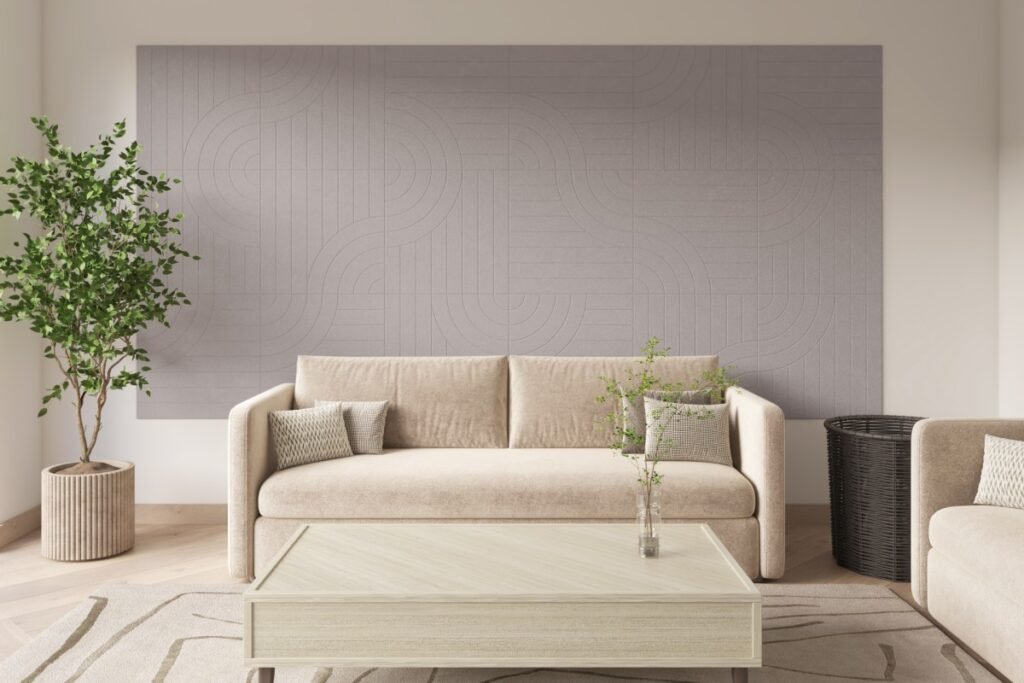
Furniture rendering involves rendering photorealistic images of furniture products using 3D modeling and rendering software. Rather than taking a photo of a couch, table or cabinet, a 3D artist creates a digital version of the object, adding realistic materials, textures and lighting to create a photo-like image.
3D furniture rendering helps save on producing all the various colors and materials used in furniture before marketing. Dozens of different types of fabric, finishes and room layouts are all possible in a single 3D model, without ever creating a single physical sample.
How Furniture Rendering Works
Usually, the steps to take are the following:
- 3D Modeling: The artist develops a digital model of the furniture piece from technical drawings, CAD files or a reference photograph, and captures all the dimensions and design details.
- Texturing and Materials: The model is then covered with realistic materials such as wood grain, fabric weave, leather texture and metal finishes.
- Lighting Setup: Virtual lighting is set up to simulate the effects of natural or studio lighting, resulting in accurate shadows and reflections.
- Rendering: The final image is created with rendering software, resulting in a realistic, photo-realistic image.
- Post-Production: Final adjustments, color correction and background integration are possible.
Furniture CGI vs Traditional Photography
For brands with a large catalog or with catalogs that change often, furniture CGI can have a few benefits over conventional photography:
- No physical samples required: Products can be imagined even before production commences.
- Unlimited variations: Several different colors, fabrics and environments can be applied to the same 3D model.
- Cost efficiency at scale: The starting 3D creation is costly, but using it for various iterations is much less expensive than doing multiple photoshoots.
- Consistency: All rendered images have the same lighting and quality, which cannot be achieved with a photoshoot, where lighting varies depending on the studio conditions.
There is still a role for traditional photos in photography, especially when using real people and real textures that the buyer wants to know are “real. Furniture CGI, however, has become the more viable choice for furniture brands with catalog-style images.
The Importance of Photorealism
The one thing that brands are concerned about when it comes to furniture rendering is that it looks convincing. The art of rendering furniture has developed in modern times, with a number of techniques for using physically accurate lighting simulations and material mapping which can produce images that are almost indistinguishable from real photographs.
To create a truly photorealistic image, 3D artists must be adept at rendering the effects of light on various materials, such as velvet upholstery or shiny wood. Brands must go with a rendering partner who is experienced in rendering, as poor quality rendering can look artificial and lead to customer distrust.
3D Furniture Visualization for Product Development
In addition to marketing, 3D furniture visualization can also be a valuable tool in the early stages of the product development process. New furniture concepts can be designed and manufactured digitally before moving to actual prototypes, which enables designers and manufacturing teams to identify design issues, experiment with different material pairings and adjust proportions without the expense of creating multiple physical samples.
This is why furniture rendering is not only a valuable tool for sales and marketing staff but for design and product development as well in order to accelerate the processes.
Furniture Rendering for E-Commerce
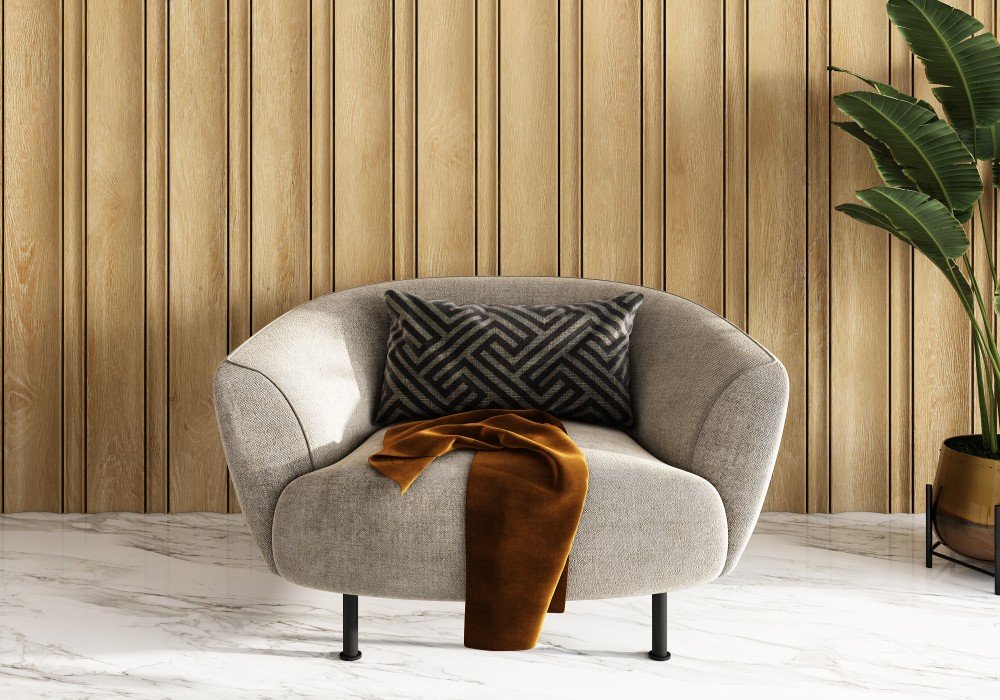
With increasing furniture shopping online, eCommerce furniture rendering has become a must-have tool for furniture brands dealing in online marketplaces. An online shopper cannot inspect and test furniture before purchasing, and good imagery is essential in creating purchase confidence.
When rendering furniture for eCommerce, you may find that you have to produce the following:
- Multiple view of each product is available.
- Options for colors and fabrics
- There are two scenes for lifestyle, one for a bedroom and one for a living room.
- Detail shots with zoom – showing material texture and craftsmanship
Comprehensive furniture rendering for eCommerce often results in decreased returns as customers understand what they are buying and the package before it arrives.
Common Use Cases for Furniture Rendering
- Product catalogs: Demonstration of full lines of furniture using consistent visual quality.
- E-commerce listings: Creating detailed images of products that can be zoomed in for online shoppers.
- Marketing campaigns: Producing lifestyle shots and seasonal promotional shots.
- Trade shows and presentations: Showing future collections prior to actual samples being collected.
- Interior design collaborations: Demonstrating how furniture pieces fit into stylized room arrangements, akin to our interior rendering services demonstrations.
Choosing a Furniture Rendering Partner
Furniture rendering is a great way to bring your concept to life. When you are looking for a 3D rendering studio or team to work with you, the following key attributes should be taken into account:
- Portfolio quality: Find examples of photorealistic furniture rendering using a variety of materials such as wood, fabric, and metal.
- Turnaround time: Acknowledge the rapidity of changes and alterations in delivery.
- Scalability: Make sure the provider could support big catalogs and various SKUs and configurations.
- Communication and revisions: An effective partner should provide feedback loops for changes before final delivery.
Also Read: Product Animation vs Product Rendering: What’s the Difference?
FAQs
1. Is furniture rendering as realistic as traditional photography?
Yes, if a good job is done. Photorealistic furniture rendering involves the use of the correct lighting and material simulation techniques, which can make digital images indistinguishable from real photographs.
2. How much does 3D furniture rendering cost compared to a photoshoot?
While creating furniture models in 3D is generally more expensive in the initial stage than photoshooting each piece, creating more color and/or material variations is much more cost-effective than reshooting each piece.
3. Can furniture rendering be used before a product is manufactured?
This is certainly among its main benefits. 3D furniture visualization is a technology that enables brands to market and test designs before actually producing it in real life.
4. Why is furniture rendering for e-commerce important?
When buying a product online, viewers can’t physically interact with furniture, so high-quality furniture rendering is essential for increasing the confidence to purchase and can help in reducing the rates of furniture returns due to unmet expectations.
5. What should I look for in a furniture CGI provider?
Seek a portfolio that demonstrates good material rendering (e.g. wood, fabric, metal), realistic turnaround times and scalability for large product catalogs.
Final Thoughts
While traditional photography can be difficult to execute at scale, furniture rendering has become quite popular and is a great tool for furniture companies to use for their needs. It can be used for 3D furniture visualization in the early stages of product development, for furniture CGI used in marketing campaigns, or for furniture rendering in ecommerce product listings – all this can help brands present their furniture more effectively and efficiently than ever before.
