

In today’s busy online environment, the visual presentation of a product can make all the difference in customer conversion. Low quality images and static graphics are no longer going to cut it if you want to get ahead of the game when it comes to visuals and building an immersive experience. High-quality 3D product rendering images is where brands can really excel at showing off their product with precision, flexibility and impact. In this guide, we will dive into some useful solutions for presenting your products better with 3D rendering in each touchpoint.
Why High-Quality 3D Rendering Matters
Whether shopping online, reading through a catalogue or looking at an ad, people today are looking for a product to be shown in great detail. By producing images that are sharp, accurate, and visually engaging, often surpassing the capabilities of traditional photography, high-quality 3D product rendering enables brands to fulfill this expectation.
In addition to being aesthetically pleasing, rendering can also address business problems. Difficult and expensive to replicate with the traditional photoshoot, brands can showcase products before they’re even made, create infinite variations of colours and materials, and have full creative control over lighting, backgrounds and composition.
Understanding 3D Product Visualization
Rendering is part of the 3D product visualization process, which means it’s the process of creating a digital 3D model that accurately represents the shape, materials and details of a product. This model will be the basis of creating still images, animation, or interactive.
A really effective visualization process begins with an accurate 3D model created from CAD files, technical drawings and/or photographs of the subject. The more accurately this basic model is formulated, the more faithfully the final rendered image will be accurate, regardless of how the final image will be used.

The Role of Photorealism in Product Showcasing
Realism is one of the largest differentiators between top-notch product images and ordinary ones. Product rendering is known as Photorealistic product rendering when the images appear as if they were real photos, thanks to the use of sophisticated lighting simulation, precise material properties and detailed texture mapping.
It takes a keen eye to capture the details that make the scene so realistic, such as light reflecting off glass, the folds and creases of fabric or highlights on metal surfaces. Renders need to be created in a way that allows brands to establish trust with their customers – any poorly executed render could appear artificial and reduce credibility.
Strategies to Showcase Products Effectively
1. Use Multiple Angles and Views
One animated image doesn’t always tell the whole story. A good 3D product presentation would consist of multiple angles, front, side, back shots and close ups of details to bring a full picture of the product to the customer.
2. Show Products in Context
Instead of the product image being set against a neutral background, positioning the products in realistic settings (a chair in a living room, a gadget on a desk) can make the product look more like it will be used in their home. Such a product contextual rendering is usually more effective for marketing campaign than studio-only product shots.
3. Highlight Material and Texture Details
Close-up renders focus on the texture of the product, such as wood grain or fabric weave or metal finish, helping to create confidence in product quality—particularly for online shoppers who can’t physically feel the product before purchasing.
4. Offer Color and Configuration Variations
The most obvious benefit of 3D rendering is that it can produce a variety of models from a single one. Displaying every color, finish or configuration without having to take individual color photos for each one of them gives customers a better idea of what to buy without having to book a shoot for every one of the options.
5. Incorporate Interactive Elements Where Possible
In addition to static images, certain brands will add interactivity to their 3D product displays, such as rotating a product 360° or zooming in. This allows customers to take time to get to know the product, which leads to higher engagement and buying confidence.
Choosing the Right Rendering Approach for Your Goals
For various goals, various strategies are needed, and that’s why hiring an experienced 3D rendering company can be useful to determine the most suitable approach:
- E-commerce listings: Focus on clean, luminous renders that have several angles and zooms.
- Marketing campaigns: Emphasis on lifestyle context and story telling with environment renders.
- Catalogs and print materials: Focus on consistent, high-resolution throughout product lines.
- Trade shows and presentations: Consider more dramatic lighting and composition to create visual impact.
If you know your primary use cases, you’ll have a better idea of the details, context and variation of your product showcase rendering.
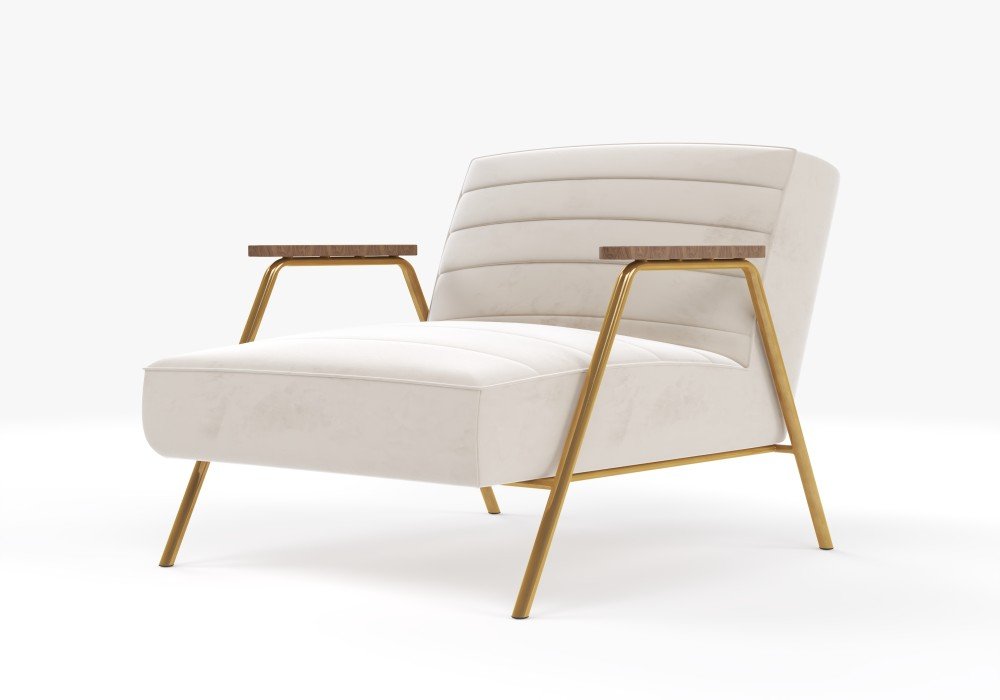
Common Mistakes to Avoid
Despite having access to high-quality 3D product rendering, brands can ruin their efforts because of some avoidable mishaps.
- Poor lighting in various product lines resulting in a disorganized catalog layout
- Over-processing images too much, putting them in a fake rather than a photo realistic look
- Failure to take care of the accuracy of materials, resulting in inaccurate renders of the product
- Avoiding context shots and using only studio type images
By steering clear of these potential challenges, you can ensure that your 3D product visualization continues to foster confidence and not doubt the authenticity of your products.
The Long-Term Value of Investing in Quality Rendering
Although the price of a premium 3D rendering services can be more expensive than the basic services, the investment can pay for itself over time. As long as you can imagine, a 3D model created well can be used across multiple platforms, campaigns, product variants, and more, which means that quality 3D product rendering is a scalable asset instead of a single investment.
Also Read: Furniture Rendering: Everything Brands Need to Know
FAQs
1. What makes high-quality 3D product rendering different from basic rendering?
High-quality 3D product renderings are characterized by their attention to detail, the accurate representation of light and shadow, and the use of realistic materials and textures, all of which create images that closely resemble real photographs rather than simple renders that can be flat or artificial.
2. How does 3D product visualization help before a product is manufactured?
By utilizing 3D product visualization, brands can develop and optimize digital products before entering into the actual manufacturing process, ensuring that the marketing and design are correct before physical production, and avoiding the high expense of producing samples.
3. Why is photorealistic product rendering important for e-commerce?
Product rendering is essential for creating customer confidence in product photography because the images are almost as close to reality as a photo, and this helps eliminate uncertainty and return rates.
4. What should a good 3D product presentation include?
The following characteristics are usually part of a good 3D product presentation: different angles, lifestyle images, close-ups of textures, and color and configuration options.
5. Is investing in product showcase rendering worth it for small brands?
Yes, because product showcase rendering is a single 3D file that can be used in several different platforms and campaigns, so there is a possibility of it being more cost-effective in the long term than repeated traditional photoshoots.
Final Thoughts
In today’s fiercely competitive marketplace, more than a decent photo is needed to get products noticed – it’s about strategic, quality visuals that foster trust and conversion. With quality 3D product rendering, with the help of photorealistic details, and by strategically arranging your 3D product presentation on various contexts and angles, brands can develop a strategy for product rendering that resonates with their customers and outshines their competitors.
