
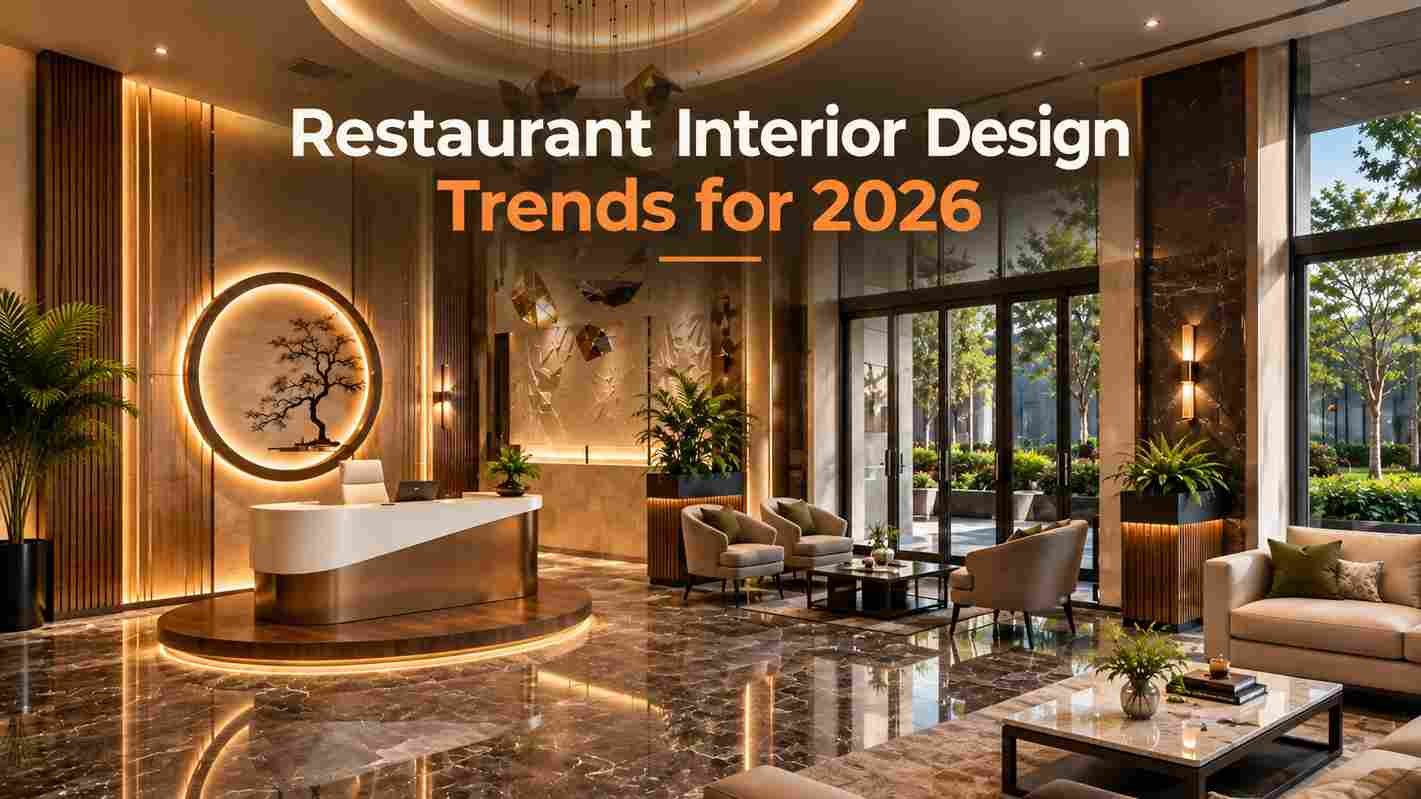
Eating at restaurants is not just about the meal, it’s an experience. With the rising expectations of the consumers, restaurant owners are putting more and more investments to create a thought-provoking environment that makes a lasting impression. By studying the latest restaurant interior design trends, owners, architects and designers can build an interior that is aesthetically beautiful and will attract repeat customers and social media attention. In this article, we will take a look at some of the trends that are influencing the spaces of the restaurants today.
Why Restaurant Design Matters More Than Ever
Gone are the days when the menu is the most important part of a restaurant. Ambiance is now on par. People are more likely to pick out a restaurant to go to because of the total experience of the space, including the way it looks, feels and photographs. The move has thrust the interior design of restaurants into the spotlight, putting focus on the design as much as it is on the business.
Modern Restaurant Interior Design
Much of the dining space of today is characterized by the clean lines, open layouts and combination of activities and style. Today’s Modern restaurant interior design is more about clean lines and simple elements, with careful consideration given to materials and design layouts, rather than overloading them with ornate elements.
Key characteristics include:
- Open kitchen designs that make people feel connected and involved in the dining experience.
- A mix of materials, such as wood, metal, and concrete, for palettes.
- Moveable furniture which can be arranged in various ways according to the size of the group.
- Use statements as a form of art for the light fixture.
For brands that seek a modern and engaging vibe while maintaining a sophisticated touch, this method is an attractive option.
Luxury Restaurant Interior Design
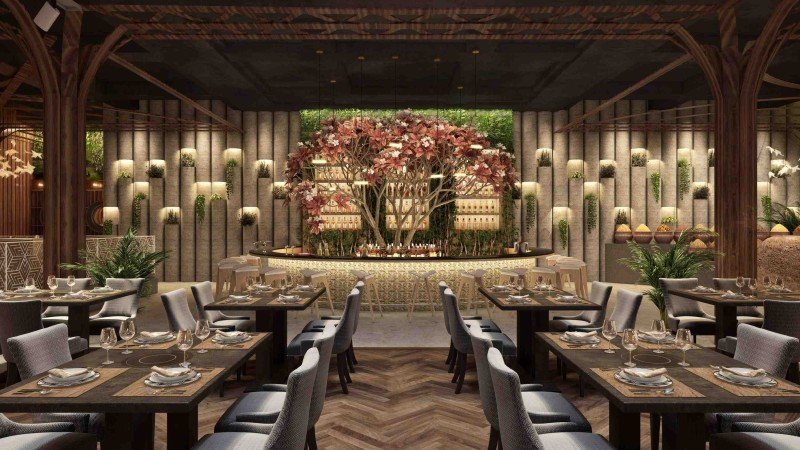
Dining at luxury restaurant interior design still sets new design standards, using luxurious fabrics, statement furniture and atmospheres that ensure clients pay extra for their high-end dining experience.
The characteristics of luxury dining rooms are:
- Deep rich velvet or leather seating upholstered
- Oversized chandeliers and pieces of pendant lighting in the form of sculpture.
- High-quality, curated art installations and designer furniture pieces.
- High quality material finishes such as marble, brass and exotic wood
- Private dining rooms or semi-enclosed booths for intimacy.
Luxury design isn’t simply about expense, it’s about creating an occasion that will make a visitor feel the experience is worth returning for.
Biophilic and Sustainable Design
The incorporation of nature and sustainability is one of the most prominent trends in restaurant spaces today. Both casual and upscale places are increasingly incorporating greenery, natural materials and “living walls” to foster a calming, organic environment, to offset the fast-paced nature of daily life.
Many restaurants are also adopting reclaimed wood, recycled materials, and energy-efficient lighting as an environmentally-conscious form of storytelling, as more and more people become conscious about the environment.
Statement Lighting as a Design Centerpiece
Restaurants are now making use of light fixtures as one of the most effective design tools in the space, turning it from a mere functional piece into a focal point. Ambient, task, and accent lighting are used to make different areas within the same room, such as a bright, energetic bar area, to a softly lit, intimate dining corner.
Luxury restaurant interior design can sometimes include lighting that is just as impressive as the food, with sculptural pendant lights, exposed filament bulbs and dramatic chandeliers becoming more popular choices as a focal point.
Flexible and Multi-Use Spaces
With changing food trends, many restaurants are developing facilities which can change their appearance from time to time and place to place. One space could be a relaxed cafe in the morning, a lunch bar in the day and a dinner venue in the evening, all with the touch of a switch, a few moves and flexible spaces to suit.
This flexibility allows for the highest revenue potential while providing designers the chance to design multi-dimensional spaces and not just a single-purpose room.
Bold Color and Texture Statements
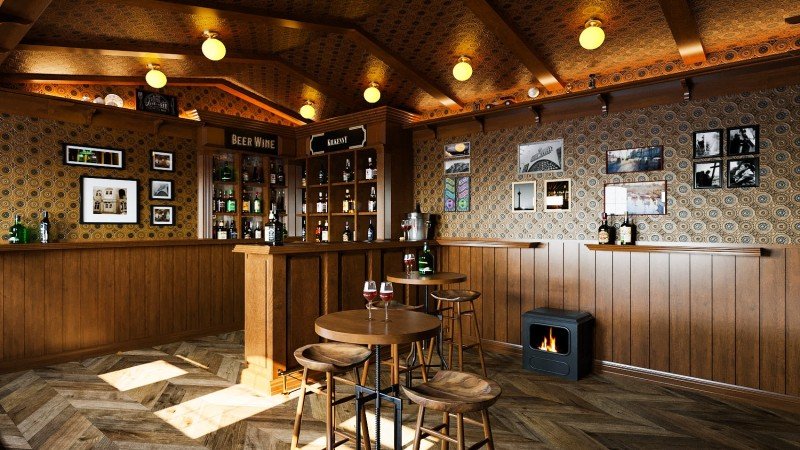
Neutral colours are still in use in lots of contemporary restaurant interior design schemes, but there is a new trend toward saturated hues and deep textures that make spaces memorable, photo-worthy and interesting. Deep green hues, warm terracottas and jewel colors are becoming more common, frequently combined with tactile materials such as woven textiles, textured plaster or patterned tiles.
Distinctive, colourful interiors naturally goad diners to produce content for social media, a trend that is especially common in restaurants looking to go viral.
Visualizing Designs Before Construction
A major transformation in the way that restaurant space is being planned is the amount of 3D interior design rendering that happens during design. Owners and designers can visualize the space from the material finishes to the lighting atmosphere before the construction project begins, reducing the risk of changes that could lead to extra costs.
For investors and stakeholders who must approve designs before construction, this can be especially useful, and can be combined with detailed CAD drafting services that bring the design to life and create a plan for the construction of the space, before they invest money.
Practical Tips for Restaurant Owners Planning a Redesign
- Prioritize flow and functionality first: Sleek design should not be at the expense of usability to staff and guests.
- Invest in lighting strategically: Layered lighting makes a big difference in the lighting, for an impressively little price.
- Choose durable, timeless materials: Trendy finishes can go out of fashion quickly, so make sure to complement bold statements with more timeless options.
- Visualize before you build: Planning with restaurant 3D rendering can reduce costly changes during construction.
Also Read: 7 Signs You Need Professional 3D Rendering Services
FAQs
1. What defines modern restaurant interior design?
In today’s restaurant interior designs, the emphasis is usually on simplicity, openness, the use of various materials such as wood and metal, and the choice of practical but elegant furnishings.
2. What makes luxury restaurant interior design different from standard designs?
When designing the interior of a luxury restaurant, the use of rich textiles such as velvet, marble, and brass, and their combination with dramatic lighting fixtures and selected artwork pieces, helps to create a memorable, high-end dining experience.
3. Why is restaurant 3D rendering useful during the design process?
By using 3D restaurant rendering, restaurant owners and designers can see the completed restaurant with the materials, lighting, and layout before construction even starts, which helps them avoid expensive changes and gets the ball rolling with stakeholders early.
4. How important is lighting in restaurant interior design?
Lighting is one of the most powerful tools in a design’s arsenal, and can help establish different areas in a restaurant space, as well as enhance the experience and memory a patron will have of the area.
5. Are sustainable materials becoming more common in restaurant design?
Unfortunately, more restaurants than ever are using reclaimed wood, recycled materials, and energy-efficient lighting, for both sustainability and attracting the attention of environmentally-aware consumers.
Final Thoughts
As customer expectations continue to change and create memorable experiences, restaurant interior design is constantly evolving. From the sleek and simple designs of today’s restaurant interior design to the opulence of luxury restaurant interior design or the rising importance of restaurant 3D rendering during the planning process, today’s most successful designs are a mix of design and function that guests will love returning to.
